A Brief History of the FIFA World Cup™ Trophy — Official Licensed Product of the FIFA World Cup™
 © picture alliance / Laci Perenyi
We are
the champions
Every four years, the world's best football teams gather to crown their world champion.
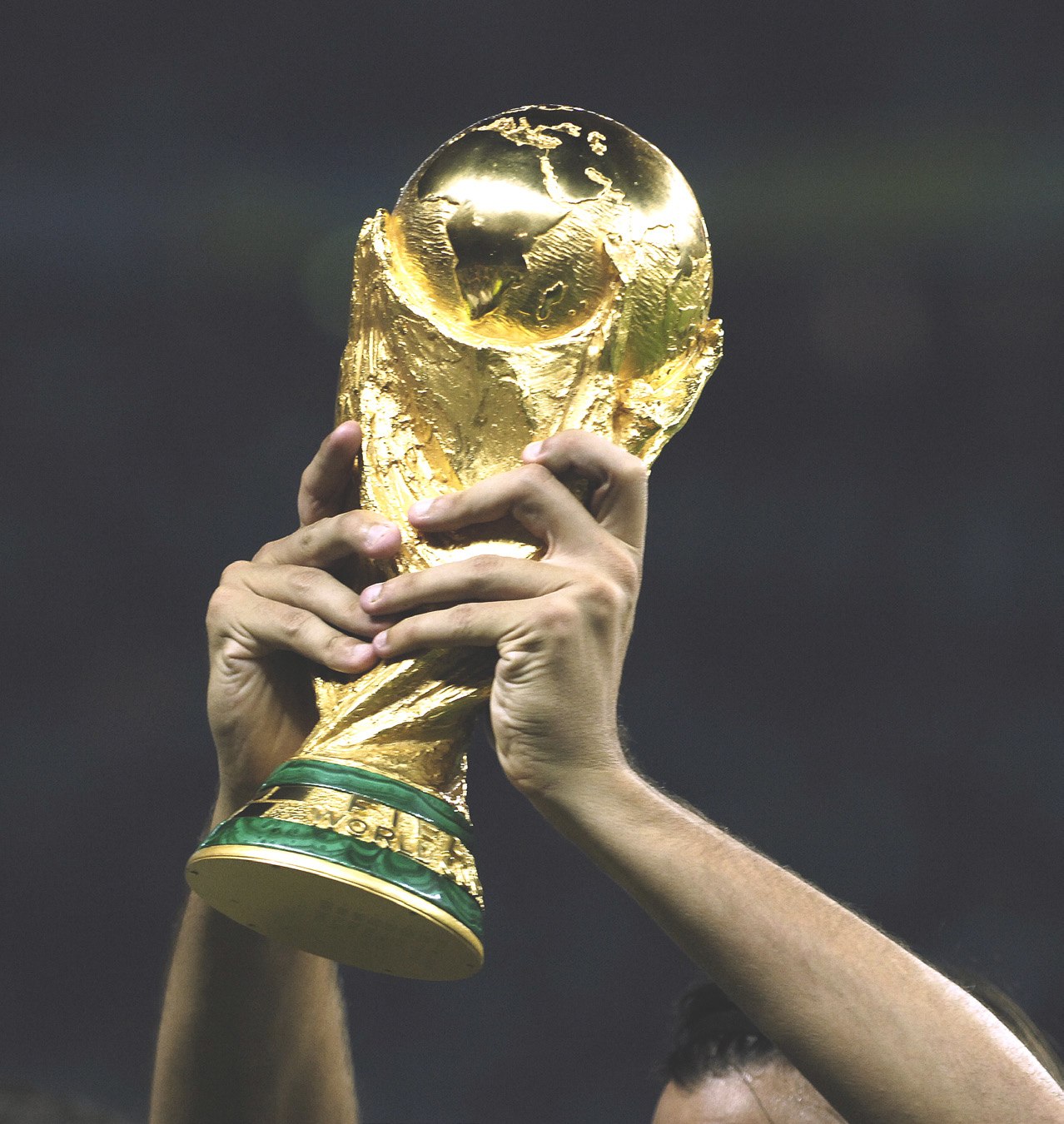
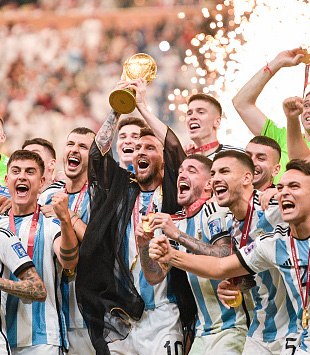
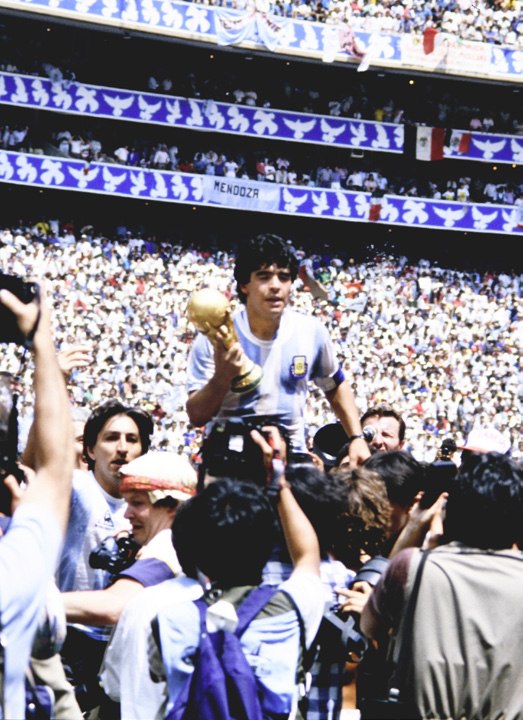
The reward for a hard-fought victory is an iconic moment: Every football player dreams of lifting the FIFA World Cup™ Trophy and being celebrated by the fans.
High on emotion
The 1958 FIFA World Cup™ in Sweden marked the beginning of a new tradition when Brazilian captain Hilderaldo Bellini was asked by photographers to give them a better view of the trophy. He lifted the trophy up in the air and since then this gesture has been repeated by the champions' captains again and again.
But what about the trophy made for the celebration of the victory at a FIFA World Cup™ tournament? Who designed it? Has it changed over time? To answer these questions we have put together a brief history of the FIFA World Cup™ itself from the inaugural tournament in 1930 up to the present day.
The reason we do this is that the 1kg Pure Gold FIFA World Cup™ Trophy licensed by FIFA is available as a premium collectible. You will be one of only 26 lucky owners – so do not hesitate and feel the victory of a real World Champion!
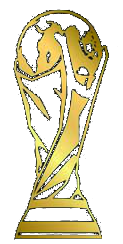 Looking Back in History
The winner
takes it all
Organized football does not date back as far as some may think: the first international matches were played at the end of the 19th century, and FIFA was founded in 1904. Nevertheless, it would take almost 30 years before the first FIFA World Cup™ was held. Until then, the Olympic football tournaments had the status of a world championship.
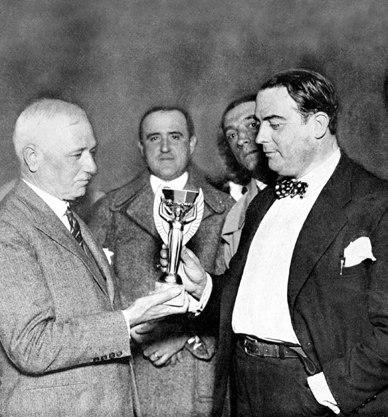
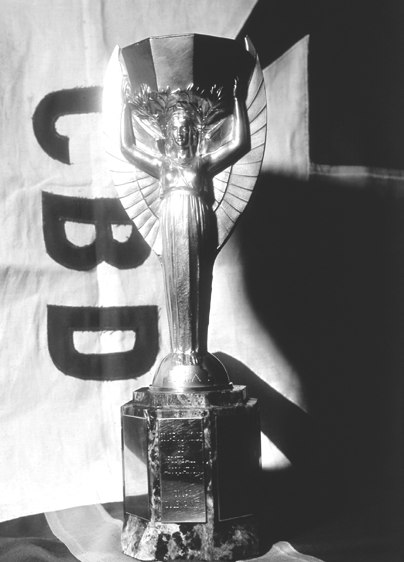
And this development was mainly driven by the persistence of FIFA President Jules Rimet. Under his leadership in 1929 FIFA planned for the »World Cup«. A year later in 1930, the first FIFA World Cup™ took place. Rimet started in 1921 and fought for the creation of the tournament in his 33-year reign as the head of FIFA. In honor of his achievements, the cup was named »Jules Rimet Cup™« after the Second World War in 1946.
1930–1970
World Cup – since 1946: Jules Rimet Cup™- Height
- 35 cm
- Weight
- 3.8 kg
- Material
- Gold Plated Sterling Silver
- Base
- Lapis Lazuli
- Design
- Abel Lafleur
- Subject
- Nike, the Greek Goddess of Victory, holding a cup
- Nickname
- Golden Goddess
Lost and found
In the 40 years of its presence, the Jules Rimet Cup™ experienced many adventures.
The Second World War had a huge global impact and even the cup was not spared. Italy was the winner in 1938, but because they were heavily involved in the war, there was a concern for the trophy's well-being. Italian FIFA Vice President Ottorino Barassi decided to secretly take the trophy from the bank in Rome and hide it in a shoebox under his bed to make sure the Nazis did not get it.
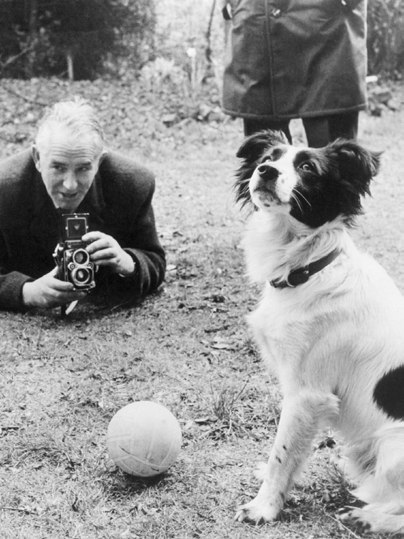
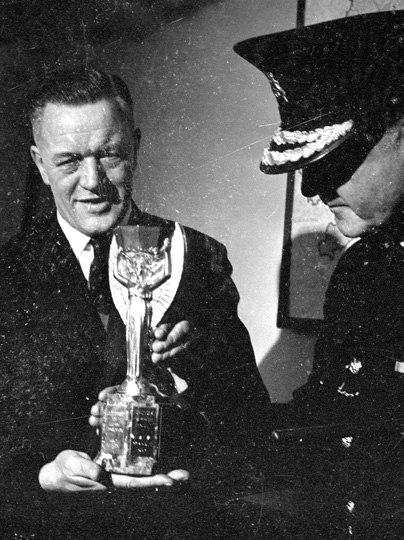
Some great rewardAnother significant moment in the history of the Jules Rimet Cup™ came on 20 March 1966. Four months before the tournament in England was scheduled to start, the cup was stolen from a public exhibition at Westminster Central Hall. The perpetrators demanded a ransom of £15,000 and the entire police force was mobilized to find it.
It was eventually found seven days later in South London, wrapped in a newspaper. A dog named Pickles found the trophy. The dog's owner Dave Corbett returned the trophy immediately and received a £6,000 prize as a reward. The story goes that Pickles received a lifetime supply of dog food.
As a safety measure, the British Football Association (FA) secretly produced a replica of the Jules Rimet Cup™ which was used on numerous occasions until 1970. As FIFA explicitly refused permission to the FA to create a replica, the replica also had to disappear from public view and was kept under its creator's bed for many years. In 1997 the replica was finally auctioned for £254,500 and was purchased by FIFA.
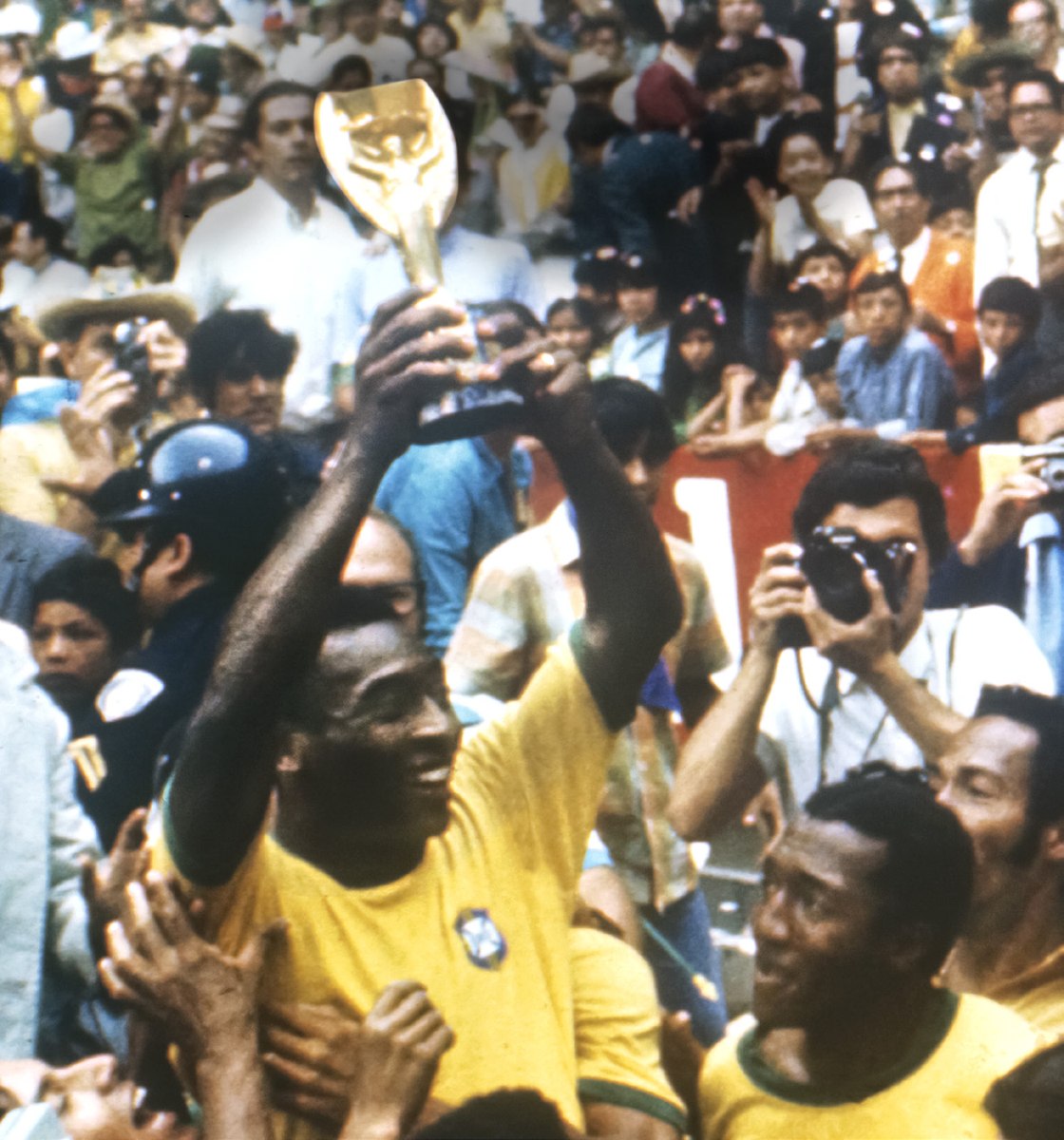
Now it's goneIn 1970, the Brazilian team won the tournament for the third time and the original trophy was transferred to Rio de Janeiro and put on display at the Brazilian Football Confederation headquarters in a cabinet with bullet-proof glass at the front. On 19 December 1983, the wooden back of the cabinet was forced open with a crowbar and the cup was stolen again. Four men were convicted in absentia for the crime, but the cup was never found. It is believed to have been melted down, sold, or hidden in some private collection.
You'll never
walk alone
Since the first event in 1930, two trophies have been in use for the FIFA World Cup™: the »World Cup« later named »Jules Rimet Cup™«, used from 1930 to 1970, and the »FIFA World Cup™ Trophy«, used from 1974 to the present day.
Creating a second trophy became necessary after Brazil had won the Jules Rimet Cup™ for the third time, which, according to FIFA rules, allowed them to keep the trophy for good.
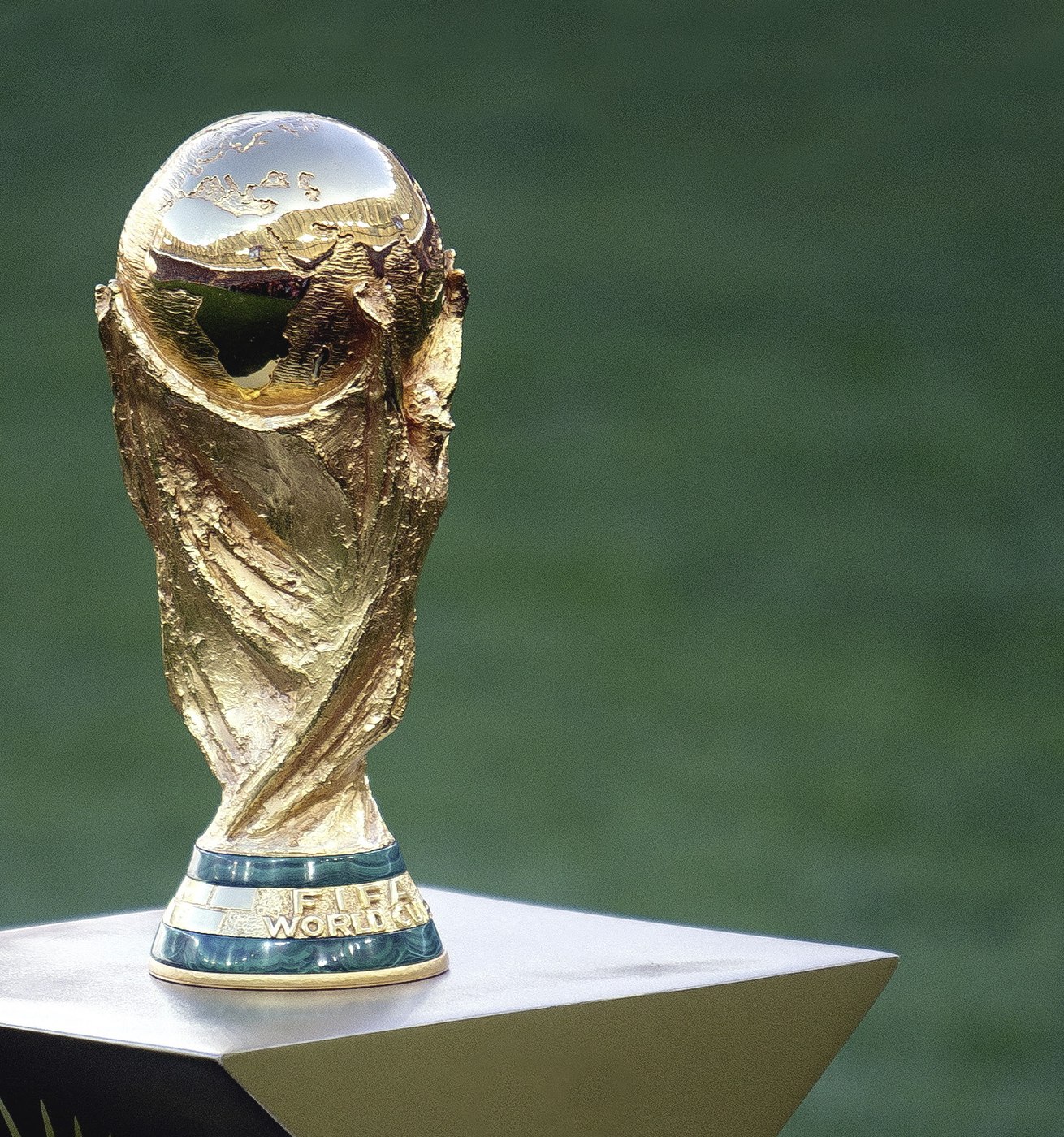
Thus, for the 1974 tournament, a new trophy had to be designed and made. After receiving 53 submissions from sculptors in seven countries, the winning design was selected. Italian sculptor Silvio Gazzaniga won, and the FIFA World Cup™ Trophy was made in Italy by the company Stabilimento Artistico Bertoni. Gazzaniga would, later, also design the UEFA Cup™ and the UEFA Super Cup™.
The 12 winning teams so far are engraved on the bottom base layer. Whose name will be engraved next?
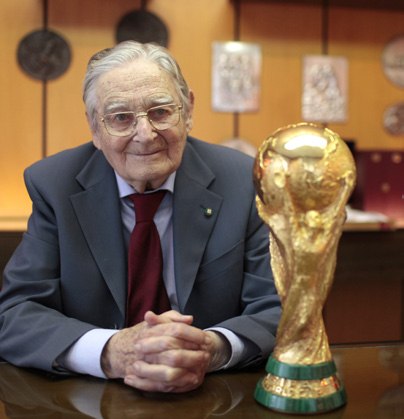
© picture alliance / Eibner-Pressefoto
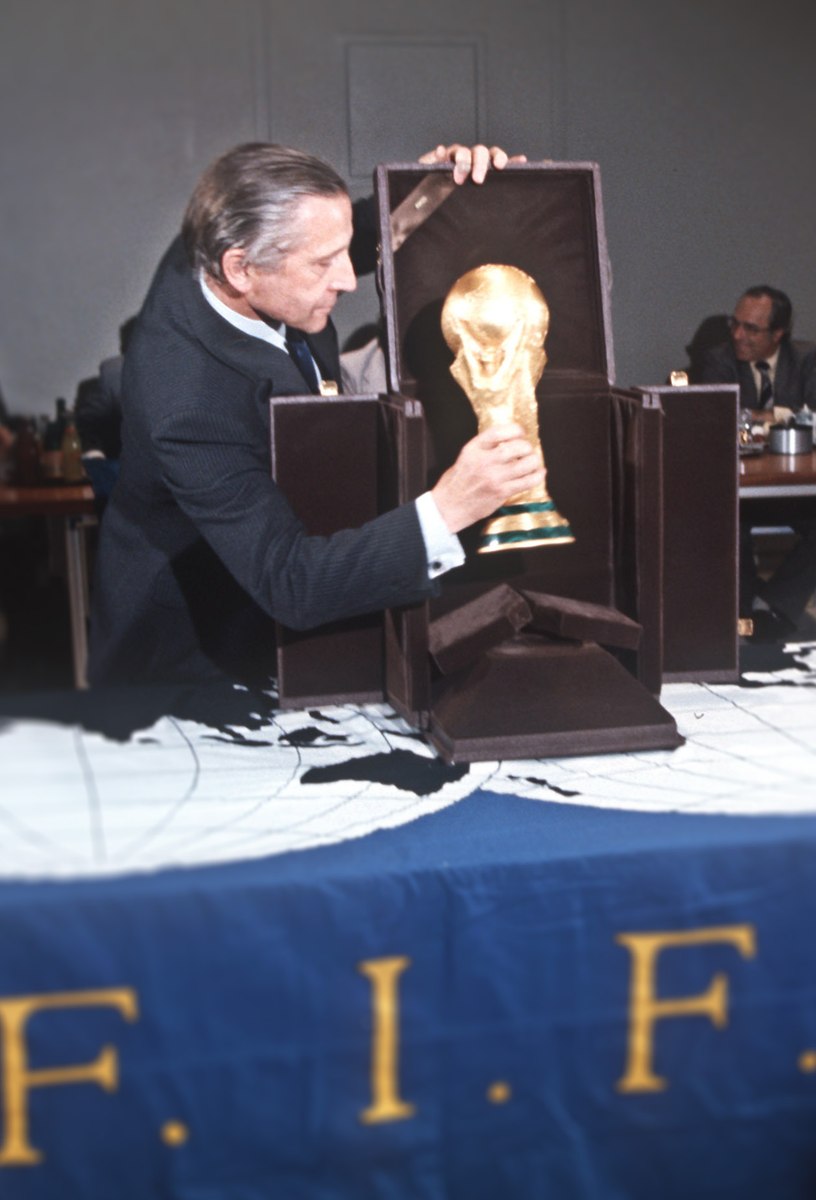
© picture-alliance/ dpa | Manfred Rehm
Since 1974
FIFA World Cup™ Trophy- Height
- 36.5 cm
- Weight
- 6.1 kg
- Material
- 18-karat Gold
- Base
- 2 bands of malachite
- Design
- Silvio Gazzaniga
- Subject
- Two people holding the Earth globe
- Gold Value
- ca. €600,000 (March 2026)
- Collector's Value
- $20M / £16M (USA Today)
The time
of our lives
New rules were set for the new FIFA World Cup™ Trophy. Instead of keeping the trophy until the final draw for the next tournament, the winner now receives a gold-plated bronze replica.
The original trophy is permanently housed at the FIFA World Football Museum in Zurich. It will only leave the museum when embarking on its FIFA World Cup™ Trophy Tour. It will also be present at the final draw for the next FIFA World Cup™ as well as on the pitch at the FIFA World Cup™ final.
The sense of pride and achievement a winning team gets from holding this trophy must be amazing. When a team wins this trophy, it's not just them that are happy. A World Cup win can unite a country, spreading a healthy wave of joy and victorious spirit across the nation.
So, at this year's FIFA World Cup™, who do you think will be holding the trophy next?
You can leave your hat on
The FIFA World Cup™ Trophy has lived a less exciting life than the old one in terms of theft, but there was one close call in 2010 during the World Cup™ final between Spain and the Netherlands: The well-known footballer and trouble-maker Jimmy Jump came out on the pitch wanting to put a Barretina (a Catalan hat) on the Cup. He was quickly caught by security guards and got a small fine.
The Cup of Life
 1930Uruguay
 1934Italy
 1938Italy
 1950Uruguay
 1954West Germany
 1958Brazil
 1962Brazil
 1966England
 1970Brazil
 1974West Germany
 1978Argentina
 1982Italy
 1986Argentina
 1990Germany
 1994Brazil
 1998France2002Brazil
 2006Italy
 2010Spain
 2014Germany
 2018France
 2022Argentina
FIFASTORE.COM
© FIFA, FIFA's Official Licensed Product Logos, and all brand elements, designs and trade names of FIFA and FIFAe tournaments, events and products are copyrights and / or trademarks of FIFA.
MDM Münzhandelsgesellschaft mbH & Co. KG Deutsche Münze
Theodor-Heuss-Straße 7 · 38097 Braunschweig · Germany
This brochure is produced under a license by MDM Deutsche Münze, but the content of this brochure has not been provided or approved by FIFA. FIFA gives no warranty for the accuracy or the completeness of the content or information contained in this brochure and disclaims all responsibility and all liability to the fullest extent permissible under applicable law for any expenses, losses, damages and costs which may be incurred by any person in relation to such content or information.
Contact
Please contact Donn Corporation for further information
About Us
Since inception, Donn Corporation, under the guidance of veteran business strategist Donn Kabiraj – has been active in India, Dubai and Canada – The Company has assisted businesses from all over the world.


